10 Unique Home Accessories That Keep Rooms From Looking Generic
Quick answer
Many people know the problem MEELANO's curation is built around. The sofa comes from one site, the cushions from another, and the room ends up looking like nobody in particular. MEELANO is a curated e-commerce platform that pairs men's and women's fashion with handpicked premium interior and home decor. The 10 unique home accessories that define a room are:
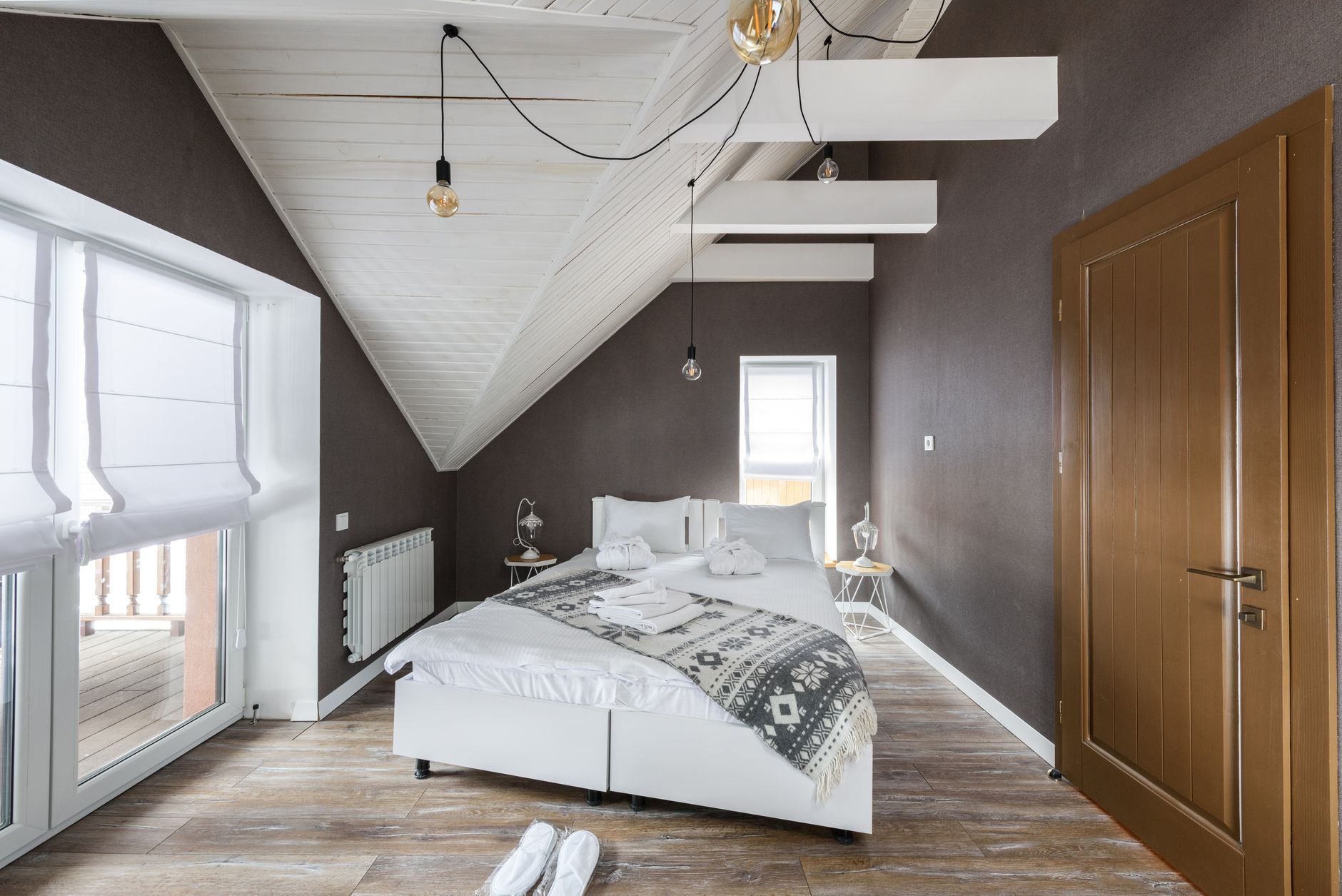
- a sculptural lamp
- a large artwork
- a statement rug
- a mirror with a distinctive frame
- a handmade vase
- layered textiles
- a designed candle
- a styled tray
- books displayed as objects
- a large plant in a sculptural planter
Choose one of these to lead the room. Let the other nine support it.
Key takeaways
- Give each sightline one statement piece and let the rest play support, the same way an outfit carries one statement item.
- Sort your purchases into three groups: anchors you buy once, a seasonal layer (textiles and candles) and personal objects that build up over years.
- Group small objects in odd numbers, usually three or five.
- According to Eurostat, EU households spent 4.8% of their consumption on furnishings and household equipment in 2024.
Why does a room full of new things still look generic?
Picture two living rooms with the same sofa and the same budget. One looks considered and the other looks like a corner of a showroom. The difference is rarely the money. It is the order of buying and the job each object was given.
Generic rooms usually grow one piece at a time. Each object is chosen on its own, often on a different website, with no lead piece and no shared palette. The result is a collection of decorative accents that compete with each other. Mass-market designs make this worse, because the same vase and the same print show up in thousands of homes.
This isn't a small spending category. Eurostat reports that EU households spent 4.8% of their total consumption expenditure in 2024 on furnishings, household equipment and routine maintenance, which is 2.5% of GDP. Eurostat tracks this spending under the COICOP category CP05.
MEELANO responds to this fragmentation by selecting fashion and interior pieces against one elegant aesthetic. That lets a throw and a knit jumper share a palette without the shopper checking five websites against each other. You can see that logic in a catalogue where wardrobe and interior share one look. The real question is which unique home accessories deserve the lead role.
What are the top 10 unique home accessories for a room?
Which object would a guest remember after leaving? The ten pieces below are grouped by job, and that grouping also tells you how often to buy each one. Anchors (1 to 4) are bought once. Texture pieces (5 to 7) rotate with the seasons. Personal pieces (8 to 10) build up over time.
Pieces that anchor the room (1 to 4)
1. A sculptural lamp. Light is the only accessory that works as hard at night as during the day. A floor lamp with a stone, travertine or brushed-metal base reads as sculpture when it is off. When it is on, it sets the mood. Warm-white bulbs, usually around 2700K, keep a living room soft.
2. One large artwork. Most rooms lack scale. A single canvas or large-format print, roughly half to two thirds the width of the sofa, does more than six small frames. It also sets the palette for everything else in the room.
3. A statement rug. A rug marks out a zone and adds texture underfoot. Wool and jute age well. As a rule of thumb, rest at least the front legs of the sofa and chairs on the rug so the seating reads as one group.
4. A mirror with a distinctive frame. An arched or rounded mirror reflects daylight and softens a room full of straight lines. Hang it so it reflects a window or the artwork, not a blank wall.
Pieces that add texture and colour (5 to 7)
5. A handmade ceramic vase. Uneven glazes and visible throwing marks give a vase the character mass-produced decor lacks. It works empty, and dried branches outlast cut flowers by weeks.
6. Layered textiles. Throw pillows and a wool or linen throw are where colour and pattern can get bolder, even funky, because they cost little to change. They rotate like a wardrobe: linen and cotton in summer, bouclé and wool from autumn.
7. A designed candle. Guests notice scent before anything else, and photos never show it. Pick a vessel that stays useful as a pot or pen holder once the wax is gone.
Pieces that make the room personal (8 to 10)
8. A styled tray. A tray turns loose items into one composition. Group objects of different heights in odd numbers, usually three or five. The 3-5-7 rule for odd-numbered groupings explains why this works.
9. Books as objects. Stack two or three art or design books flat and put a small object on top. The stack varies the height on a surface and says something about the owner.
10. A large plant in a sculptural planter. An olive tree or fiddle-leaf fig is the only element in the room that changes by itself. The planter matters as much as the plant, so choose matte ceramic or stone in the room's palette.
Most lists stop here, but having all ten doesn't define a room. Deciding which one leads does. A room with a big artwork and a sculptural lamp at full volume has two lead pieces and no hierarchy. The focal-point rule for choosing statement pieces covers that decision in detail.
Your next steps:
- Stand in the doorway and name the one object your eye lands on first. If there isn't one, buy an anchor (1 to 4) before anything else.
- Count the objects that compete for attention from that spot. If there are more than one, move or tone down the extras.
- Write down the room's three or four colours and check every piece from 5 to 10 against that list.
- Plan a textile and candle swap twice a year rather than buying new anchors.
Which home accessories make a room distinctive, and which just add clutter?
A unique home accessory is a decorative object chosen for a specific job in a room (light, scale, texture, scent or story) rather than to fill an empty surface. By that definition, a cheap, colourful pillow can be unique and an expensive vase can be clutter. It depends on whether the piece has a role.
The table compares the two common ways of decorating a room. The figures are practitioner rules of thumb, not measured averages.
| Aspect | Curated approach (MEELANO) | Traditional approach |
|---|---|---|
| Statement pieces per sightline | 1 lead piece ✅ | Often 3 to 5 competing ⚠️ |
| Colour palette | 3 to 4 shared tones ✅ | Unplanned, often 6+ ❌ |
| Sites per finished room | 1 checkout ✅ | Often 3 to 5 sites ❌ |
| Small-object grouping | Odd sets of 3 or 5 ✅ | Scattered singles ⚠️ |
| Seasonal refresh | 2 textile swaps a year ✅ | Full re-buy ❌ |
| Link to wardrobe | Shared palette ✅ | No connection ❌ |
Why volume buying backfires
Buying by volume feels efficient because each item looks good on its own product page. But every extra accent dilutes the lead piece. And every extra website adds another checkout, another delivery window and another returns policy. In practice, the clutter people see is often the visible trace of a fragmented shopping process.
Why the wardrobe row matters
The last row is the least obvious and the most useful. If someone's wardrobe already leans towards camel, ecru and charcoal, a room built on the same tones looks right next to them. Practical pairings are covered in styling guides that match your wardrobe to your home.
What are some quirky home accessories I can buy without the room looking chaotic?
Quirky and calm can live together. A practical rule is to let a piece be unusual in either shape or colour, not both. An odd-shaped vase works best in the room's palette. A funky, colourful throw pillow works best in a classic shape.
Colour research supports careful use of bold accents. In a 2018 residence-hall study published in Frontiers in Psychology, participants preferred blue interiors most, followed by green, violet, orange, yellow and red. Blue was also linked to a calmer mood. Red and yellow are better kept to accents, such as a lacquered tray, a glass object or a cushion, than used on large surfaces. Quirky pieces also make good gifts for him and her, because a small one fits into almost any home.
Which unique accessories are right for your room and budget?
Suppose a couple in their early thirties moves into an apartment with a living room of around 20 to 25 square metres and a decor budget in the low thousands of euros. If they buy piece by piece from several shops, they can easily end up with 15 to 20 small objects and no clear lead. If they reverse the order (artwork or lamp first, then rug, then textiles in three shared colours), they usually make fewer purchases and fewer returns, and the room looks finished within weeks.
Start with the room's job
A living room used mainly in the evening needs light first, so piece 1 leads. A hallway or small bedroom gains most from a mirror (piece 4). An open-plan space needs a rug to separate the zones. Spend most of the budget on the anchor and keep the rotating layer cheap enough to change without regret.
MEELANO's single-aesthetic curation makes this order easier to follow. The anchor, the textiles and the clothing in the same palette sit in one catalogue with one checkout. That cuts down the browsing across several websites that fragments most rooms in the first place.
Check safety before scent and flame
Candles and wax melts are not just decoration under EU law. They are classified as chemical mixtures under REACH, which restricts substances such as benzene, toluene, lead and phthalates. And since 13 December 2024, the General Product Safety Regulation (EU) 2023/988 has required consumer products, decorative items included, to be safe under normal and reasonably foreseeable use.
Your next steps:
- Name the room's main time of use (day or evening) and choose the matching anchor first.
- Spend roughly half or more of the decor budget on that one piece, and treat this as a guideline, not a fixed number.
- For any candle, check the label for safety warnings and the supplier's contact details before buying.
- Hold off on small objects until the anchor and rug are in place, then add them in groups of three.
FAQ
What are some unique home decor items?
Unique decor items are pieces with a clear job, such as a sculptural lamp, a handmade ceramic vase, a mirror with an arched frame or a large-format artwork. Rarity matters less than whether the item leads or supports the room. Start with one piece that would still catch your eye with everything else removed.
What are the top 10 home decor items?
The top 10 are a sculptural lamp, a large artwork, a statement rug, a framed mirror, a handmade vase, layered textiles, a designed candle, a styled tray, books shown as objects and a large plant in a sculptural planter. Buy anchors first, then the seasonal layer, then personal objects. Keep each room to three or four colours.
What are some quirky home accessories I can buy?
Quirky accessories include funky throw pillows, oddly shaped vases, lacquered trays in a bold colour and sculptural candles. Let each piece be unusual in shape or colour, but not both. One or two quirky pieces per room is usually enough to add personality without chaos.
What are some unique things to have in my house?
Unique things for a house combine light, scale, texture, scent and story: a lamp that doubles as sculpture, one oversized artwork, a wool rug, a scented candle in a reusable vessel and a stack of design books. A large plant adds the only element that changes over time. Check that every item fits your existing palette before buying.
How does MEELANO help with choosing unique home accessories?
MEELANO curates premium interior pieces and men's and women's fashion against one elegant aesthetic, so home accessories and clothing share a palette by design. Shoppers can build a room in one catalogue with one checkout instead of combining several websites. The selection favours lasting style over fast-fashion clutter.
Conclusion
None of the ten pieces in this article will define a room unless one of them leads. Treat unique home accessories the way a well-dressed person treats an outfit. Pick one statement piece and a palette of three or four tones, then add a seasonal layer that changes while the anchors stay.
The next steps are simple. Name the room's main time of use, buy the anchor that matches it, add a rug and textiles in the shared palette, and only then group small objects in threes or fives. For candles, check safety labels as carefully as scent notes. For a starting point where clothing and interior already share one aesthetic, you can browse MEELANO's curated fashion and home collection, which brings together a wardrobe and a room built on the same tones.
Related reading: Why Timeless Edits Win in Luxury Clothing and Interior Design
About MEELANO
MEELANO is a curated e-commerce platform offering high-quality fashion for men and women, alongside a handpicked selection of premium interior and home decor products. It brings personal style and home aesthetics together in one place for style-conscious shoppers who want a single, consistent look across their wardrobe and their home.
Sources
- Frontiers in Psychology — Ncbi
- They are classified as chemical mixtures under REACH — Compliancegate
- General Product Safety Regulation (EU) 2023/988 — Biorius
- Household consumption by purpose - Statistics Explained — Eurostat
- Consumption expenditure of private households (hbs) — Eurostat
- Interior Color and Psychological Functioning in a University Residence Hall — Frontiers in Psychology / University of Bologna
- Candle Safety Standards and Regulations in the EU: An Overview — ComplianceGate
- EU Candle Regulations — Biorius